When it comes to constructing a building, one of the most crucial components to consider is ensuring that the structure is properly braced against seismic activity. Seismic bracing, also known as earthquake bracing, is essential for protecting buildings and ensuring the safety of occupants in the event of an earthquake. In this article, we will explore the importance of bracing seismic in construction and why it is vital for building resilience.
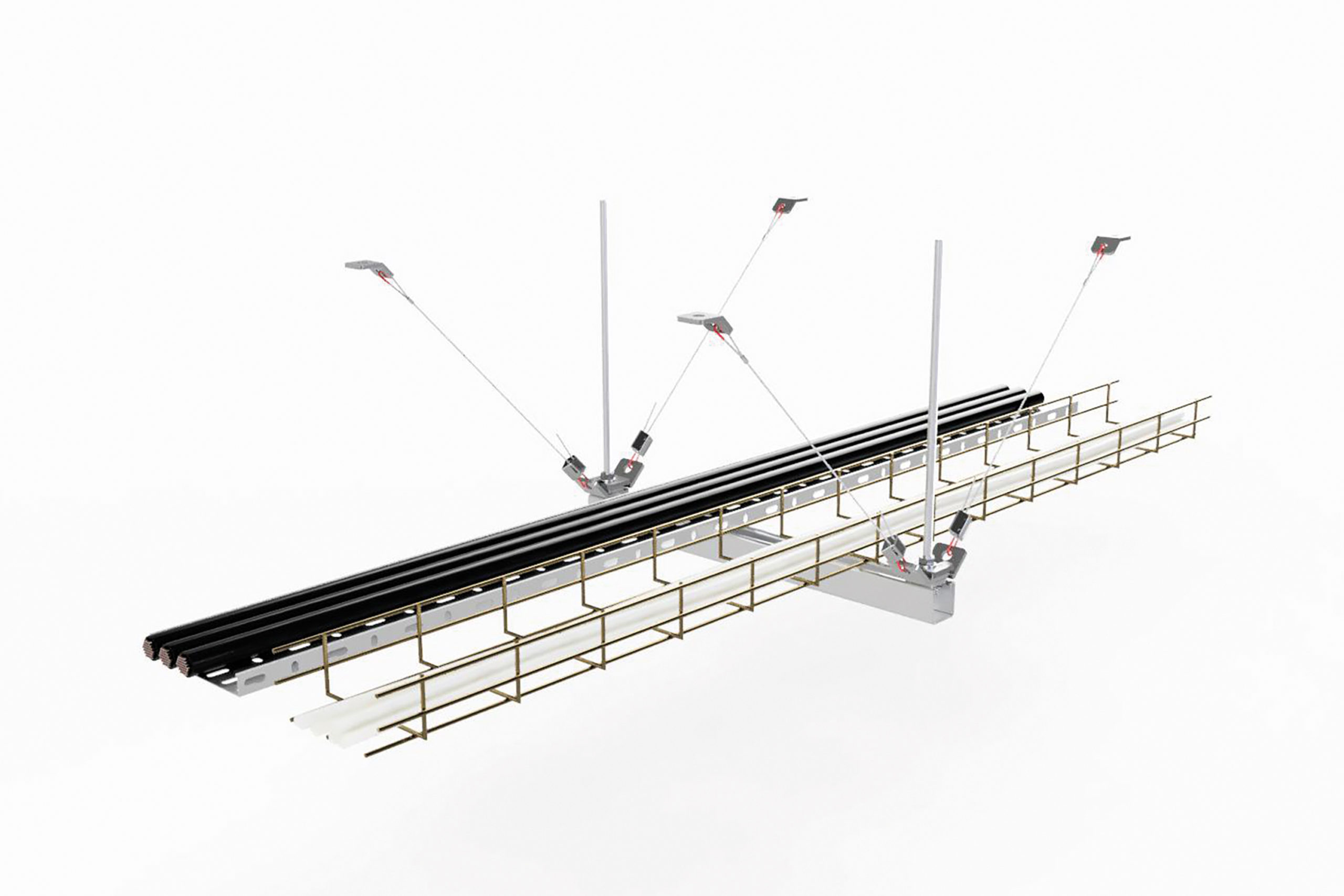
Seismic bracing is the process of reinforcing a building’s structure to withstand the lateral forces generated by an earthquake. These lateral forces, also known as seismic or horizontal forces, can cause a building to sway, tilt, or even collapse during an earthquake if the structure is not adequately braced. By implementing seismic bracing, builders can help minimize the damage caused by earthquakes and ensure the structural integrity of the building.
There are several key components of seismic bracing that are essential in construction. One of the most common methods of seismic bracing is the use of diagonal braces or cross-bracing. These braces are typically placed diagonally across the structural members of a building to provide additional support and prevent lateral movement during an earthquake. By connecting the diagonal braces to the building’s columns and beams, builders can help distribute the seismic forces more evenly throughout the structure.
Another important component of seismic bracing is the use of shear walls. Shear walls are vertical elements within a building that are designed to resist the lateral forces of an earthquake. By strategically placing shear walls throughout a building, builders can help stabilize the structure and prevent it from collapsing during an earthquake. Shear walls are typically made of reinforced concrete or steel and are an essential part of any seismic bracing system.
In addition to diagonal braces and shear walls, there are other methods of seismic bracing that builders can use to reinforce a building’s structure. These include moment frames, which are rigid connections between beams and columns that help prevent twisting and bending during an earthquake, and base isolators, which are devices that help to absorb the energy of an earthquake and protect the building from damage.
It is important for builders to consider the local seismic activity and building codes when designing a seismic bracing system. Different regions are susceptible to different levels of seismic activity, and builders must take this into account when designing a building. In areas with high seismic activity, such as California or Japan, stricter building codes and regulations are in place to ensure that structures are properly braced against earthquakes.
The importance of bracing seismic in construction cannot be overstated. Earthquakes are natural disasters that can cause significant damage to buildings and infrastructure, resulting in loss of life and property. By implementing proper seismic bracing techniques, builders can help mitigate the effects of earthquakes and protect the safety of occupants in buildings.
In addition to protecting buildings and occupants, seismic bracing also plays a crucial role in building resilience. Resilient buildings are those that are designed to withstand and recover from natural disasters, such as earthquakes, hurricanes, or floods. By incorporating seismic bracing into the design of a building, builders can help increase its resilience and reduce the risk of damage in the event of an earthquake.
Furthermore, seismic bracing can also have a positive impact on the long-term sustainability of a building. Buildings that are properly braced against seismic activity are less likely to sustain damage during an earthquake, which can result in lower repair costs and less environmental impact. By investing in seismic bracing during the construction process, builders can help create buildings that are safer, more resilient, and more sustainable in the long run.
In conclusion, bracing seismic is an essential component of construction that helps protect buildings and occupants from the effects of earthquakes. By implementing proper seismic bracing techniques, builders can help minimize the damage caused by earthquakes and ensure the safety and resilience of buildings. Investing in seismic bracing is not only crucial for protecting buildings and occupants but also for creating sustainable and resilient structures that can withstand the test of time.